
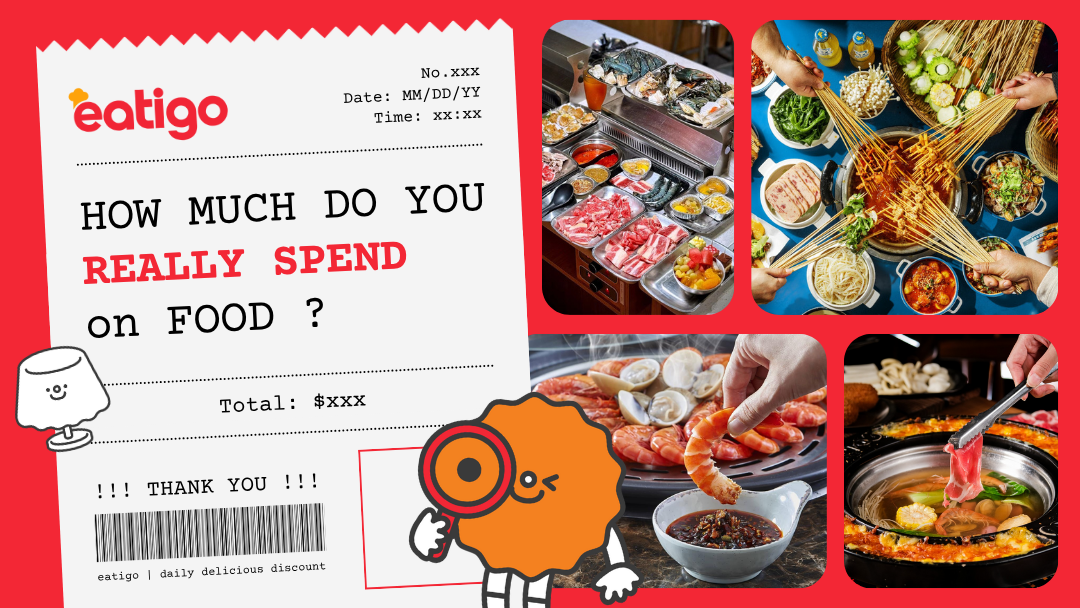
How Much Do You Really Spend on Food Each Day?

What the World Craves: The Most Loved Cuisines
June 19, 2025
Food Exchange Manila review menu price update 2026
July 7, 2025Do you know how much you actually spend on food each day?
Spoiler: It’s probably more than you think.
A quick coffee, lunch with coworkers, bubble tea, a casual dinner out… boom — ₱800 gone in a day!
Food spending is one of those everyday expenses that sneaks up on you. Because it’s small purchases here and there, it often doesn’t feel like much — until you check your wallet (or bank app) and wonder, “Wait, where did it all go?”
In this blog, we’ll break down:
- The average daily food costs across different lifestyles
- What influences your food budget (location, habits, cravings…)
- And simple ways to eat smarter without sacrificing taste
Whether you’re trying to save, build a monthly budget, or just curious how your spending stacks up — keep reading.
Average Daily Food Spending
- BudgetYourTrip (travelers):
Average per person: $26/day (~₱1,444) - Exiap (travel advisor) breakdown:
Budget‑friendly: $6/day (~₱360)
Mid‑range dining: $15/day (~₱864)
- Numbeo (cost of living data):
Minimum daily food cost (2300 kcal diet): ₱410 – ₱488 (~$7–$8.50)

Here’s a pie chart showing a typical daily food spending breakdown in the Philippines (₱660 total):
- 🥣 Breakfast – ₱80
- 🍛 Lunch – ₱200
- 🍪 Snacks – ₱100
- 🍲 Dinner – ₱220
- 🥤 Drinks – ₱60
What Drives Daily Food Spending?
When we think about food costs, it’s easy to assume it’s just about the basics: breakfast, lunch, dinner. But in reality, daily food spending is shaped by a mix of lifestyle choices, habits, and economic trends. Let’s break down the biggest drivers behind what we really spend each day:
✅ 1. Convenience vs. Cravings
Most people don’t just eat when they’re hungry — they eat when it’s convenient or when a craving hits.
Think about it: you’re rushing to work, so you grab a ₱120 coffee and a quick ₱80 breakfast sandwich. At lunch, there’s no time to cook, so you order ₱250 worth of food on an app. Later, you grab a snack and milk tea on the way home — just because you’re tired or stressed.
None of these choices are necessarily “bad,” but they highlight how convenience-based eating and impulse cravings can quietly push daily food costs much higher than we expect.
🍜 2. Dining Out Culture (vs. Home-Cooking)
In urban areas like Metro Manila, Cebu, or Davao, eating out is part of the lifestyle — and it’s often social, fast, and enjoyable.
Grabbing lunch with coworkers, celebrating a birthday at a buffet, or meeting friends at a café — these experiences are valuable, but they cost far more than cooking at home. A homemade meal might cost ₱80–₱120 per person, while dining out can easily cost ₱300–₱800 depending on the place.
Over time, these lifestyle choices add up, especially when eating out becomes the norm, not the exception.
💸 3. Food & Beverage Inflation
Prices aren’t what they used to be — and inflation is a big reason why.
In 2024–2025, the Philippines (like many countries) has seen rising prices on:
- Basic grocery items (rice, meat, vegetables)
- Restaurant menus
- Delivery app fees
A meal that cost ₱150 last year might now be ₱200 or more. Even small increases, when repeated daily, have a significant impact on monthly food budgets.
☕ 4. The Rise of Premium Coffee, Snacks, and Delivery
Another major trend affecting food spending is the shift toward premium and convenience-driven items.
We’re not just buying plain coffee — we’re buying flat whites, oat milk lattes, and cold brews at ₱180–₱250 a cup.
We’re not grabbing snacks from the sari-sari store — we’re ordering protein bars, K-donuts, or imported chips.
And with the convenience of delivery apps, we often pay:
- ₱50–₱100 in delivery fees
- ₱30–₱60 in app service charges
- Plus tips or minimum order charges
These add-ons sneak in and make even modest meals more expensive.
Where Can You Save Without Compromising Joy?
Saving money on food doesn’t mean you have to give up the fun, the flavors, or the freedom to treat yourself. It’s all about making smarter choices that still leave room for enjoyment.
Here are a few ways to cut costs — without cutting joy:
🍱 1. Meal Prep Once or Twice a Week
You don’t have to cook every single day to save money. Just 1–2 meal prep sessions a week can make a huge difference.
Cook in batches — rice, grilled meat, pasta, or soups — and store them in portions. It reduces the urge to order takeout, saves time on busy weekdays, and helps control portion sizes.
Bonus: meal prepping gives you more control over nutrition and cost per meal (sometimes as low as ₱60–₱80 per serving).
☕ 2. Find Budget-Friendly Cafes or Hawker Spots
Dining out doesn’t have to mean fine dining.
Many local cafés, food courts, and hawker-style spots offer great food at a fraction of the price.
Do a little exploring — chances are, there’s a hidden gem near your office or condo that serves up delicious meals for under ₱150.
This way, you still get the joy of eating out, without the pain of overspending.
✨ 3. Use Eatigo’s Magic – Up to 50% Off
Yes, you can dine at popular restaurants and stick to your budget.
With Eatigo, you get up to 50% off at selected time slots — so you can still enjoy your favorite meals, try new places, or plan a night out without the guilt.
Think of it as dining smarter, not less.
Whether it’s a sushi buffet, rooftop dinner, or everyday lunch, Eatigo helps you experience more — for less.
A Week with Eatigo: What You Could Save
Using Eatigo just a few times a week can add up to big savings — without skipping the food you love. Here’s what a typical week could look like:

Total Weekly Savings: ₱1,230
That’s over ₱1,200 saved in just one week — enough to treat yourself to an extra weekend meal, a movie night, or even save toward your next foodie adventure.
How Much Do You Spend Per Day?
Be honest — when was the last time you tracked your daily food spending?
- A coffee here, a snack there, and a last-minute dinner delivery… it adds up fast.
- So here’s the question: How much do you think you spend on food each day?
Want to Find Out?
We’ve made it easy for you:
✅ Download our free Daily Food Budget Tracker or
✅ Try the 1-Week Smart Meal Planner — designed to help you eat well without overspending.
👉 [Insert link or button to download tools]
🍽️ Final Thought:
Don’t stop eating out. Just start eating smart.
With Eatigo’s O’Clock Deals, you can enjoy the food you love — for less.
Explore daily discounts up to 50% off, and turn every meal into a smart win.
👉 Start saving today with Eatigo.